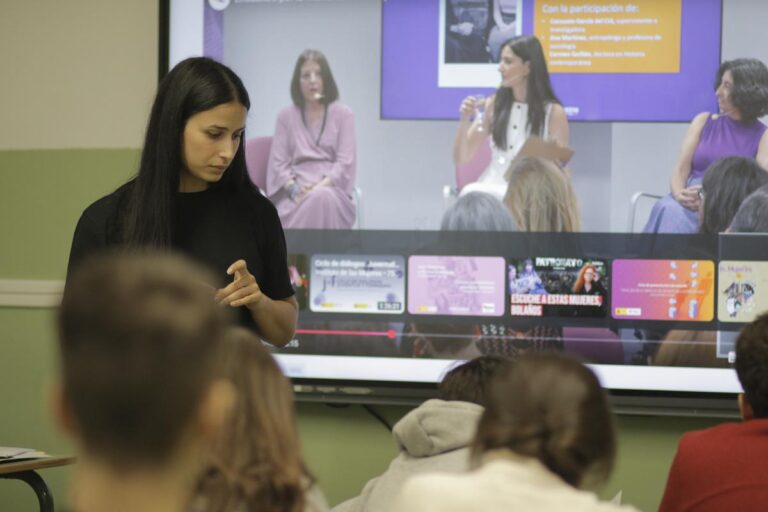
WELCOME
15′ minutes: 5′ FEMWEAVE presentation and activity -10′ Activate prior knowledge


 EnglishEnglish
Pedagogical methodology for applying a gender perspective to the study of twentieth-century totalitarian regimes.
 Session 1. Fascism vs. democracy: women under the Francoist dictatorship
Session 2. The punishment of dissidence: mental health and violence against women.
Session 3. Women as subjects of resistance to authoritarian regimes.
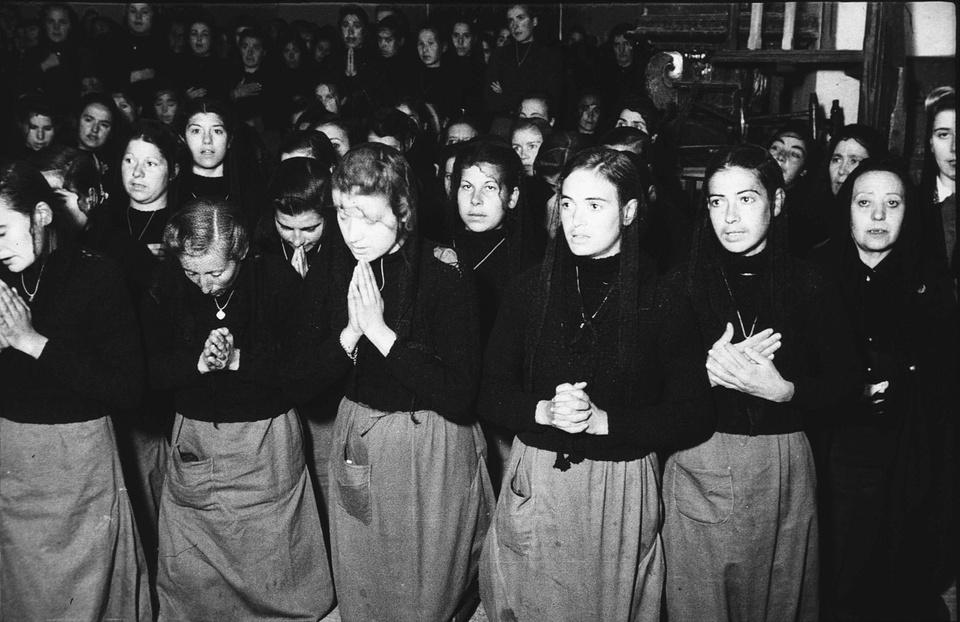
To develop students’ understanding of how totalitarian regimes shape the lives, bodies and roles of women, fostering critical thinking, empathy and active citizenship.

This session begins with an introduction to fascism and democracy, analysing authoritarianism as a recurring global pattern rather than a historical exception. It then explores the case of Spain, from the Civil War to Francoism, focusing on the culture of fear and institutional violence through comparative examples from Italy and Spain
The central block details the situation of women under fascism, analysing how they were controlled through imposed social roles —housewife, submissive and Catholic wife— and tools of repression such as the Sección Femenina, censorship and, above all, the Patronato de Protección a la Mujer. To humanise this reality, life stories such as that of Consuelo García del Cid are studied, in order to understand how the Patronato actually worked before moving on to the final production phase.
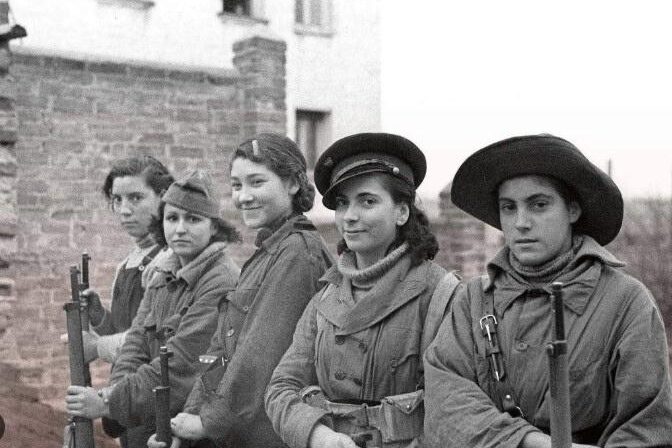
35 minuts: 10′ Republic and Civil War – 10′ The Francoist dictatorship – 15′ Women under fascist regimes
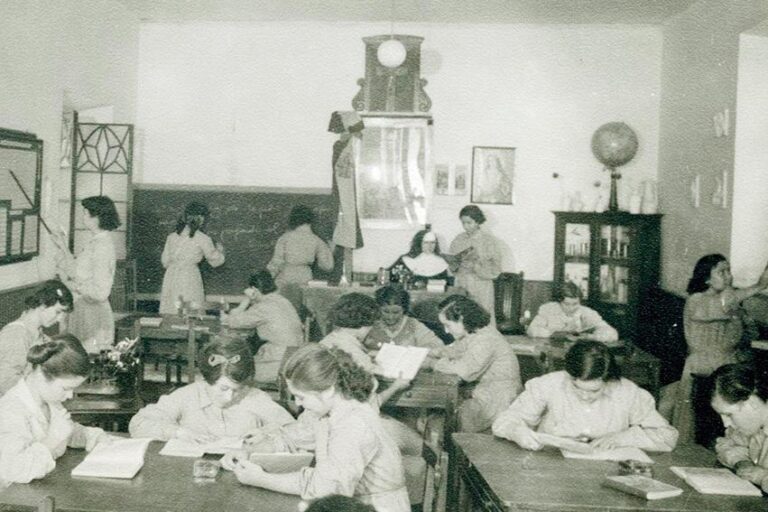
45′ minutes 20′ Activity: reconstructing the life of Consuelo García del Cid – 10′ Presentation – 15′ Content production
I was probably not as aware before of all the harm that era caused, and now I am.