WELCOME 3
10′ minutes


 EnglishEnglish
Pedagogical methodology for applying a gender perspective to the study of twentieth-century totalitarian regimes.
Session 1. Fascism vs. democracy: women under the Francoist dictatorship
Session 2. The punishment of dissidence: mental health and violence against women
 Session 3. Women as subjects of resistance to authoritarian regimes.

To recognise and value the antifascist struggle of women and their resistance strategies as fundamental drivers of social change, linking historical memory to the defence of current democratic freedoms.

This final session focuses on recognising the antifascist struggle and acts of resistance as drivers of change in achieving current freedoms.
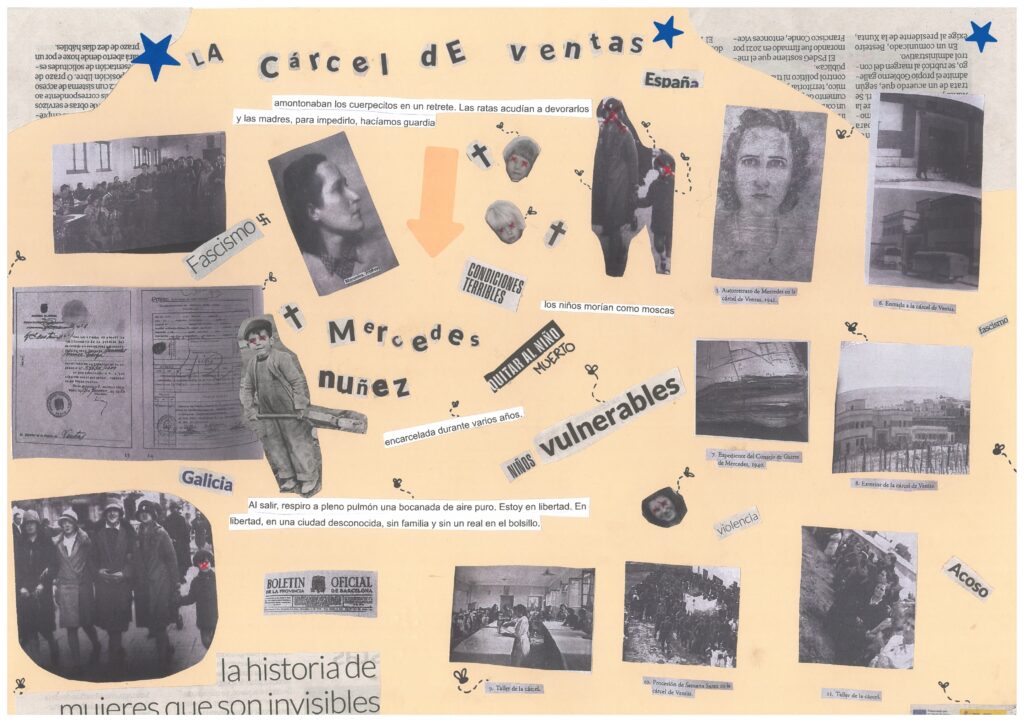
Students reconstruct the biographies of Syra Alonso and Mercedes Núñez, analysing exile and resistance through selected excerpts from their diaries. They explore survival strategies in different contexts, such as Nazi concentration camps or exile in Mexico, as well as in daily life under the dictatorship.
Afterwards, they create collages that celebrate these women as symbols of all those who resisted fascism, closing the project with a reflection on the impact of the “culture of fear” during the Transition, recognising antifascism as the origin of today’s rights framework, and consolidating memory as the guarantor of a democratic society.
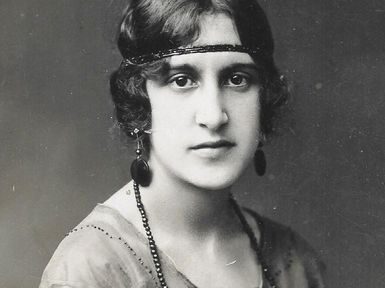
60′ minutes: reconstruct the lives of two women who fought against fascism: Syra Alonso
and Mercedes Núñez’

15′ minutes: Forms of resistance include survival strategies, solidarity networks, memory preservation, and parallels with Italy.


I used to think there had been repressions but I never imagined it went this far, and now I deeply admire the antifascist fighters.