
Historical and political context 2
35 minuts: 20′-30′ Activity: Conxo records – 15′ Women and Mental Health


 EnglishEnglish
Pedagogical methodology for applying a gender perspective to the study of twentieth-century totalitarian regimes.
Session 1. Fascism vs. democracy: women under the Francoist dictatorship
Session 3. Women as subjects of resistance to authoritarian regimes
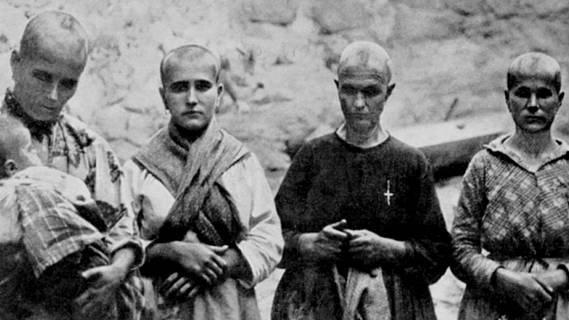
To develop students’ understanding of the use of physical, symbolic and institutional violence as a tool of control and punishment against women who chalenged gender roles and/or the policies of the Franco regime.

We explore physical and symbolic violence, to analyse the instrumental use of psychiatry. We learn how mental health was used as a tool of social control, taking the Manicomio de Conxo as a case study and drawing paralels with the Italian model.
Students analyse historical psychiatric records to identify the pathologisation and punishment of behaviours deemed “inappropriate” by the fascist regime, such as political dissidence, war trauma, infidelity, or non-reproductive sexualities.
To counter this institutional violence, we focus on the history of persecuted women and their political agency, using the oral testimonies of Lola Rodal and Mariquiña Vilaverde, which students incorporate into a podcast, transforming the historical archive into a tool for communication and memory.
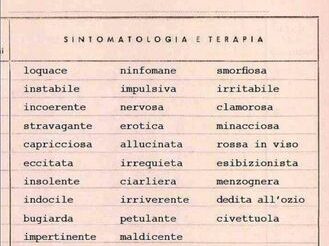
35 minuts: 20′-30′ Activity: Conxo records – 15′ Women and Mental Health

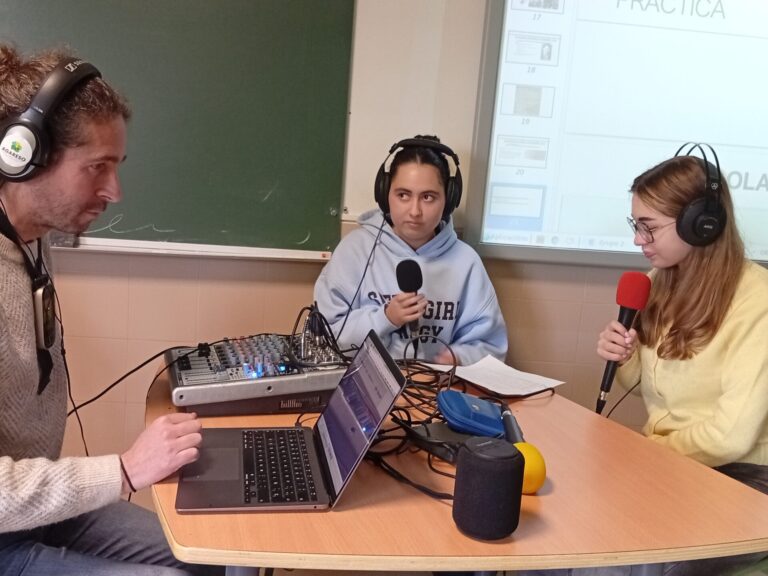
60′ minutes :We record a podcast based on the stories of Lola Rodal and Mariquiña Villaverde
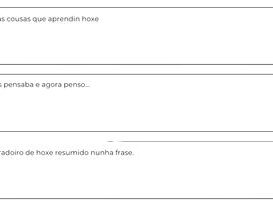
I used to think Francoism was bad, now I think it’s terrible